Polopos: A Reflection
By Tea Laroux
My time in Polopos was special in many unexpected ways: daily walks among fig trees, early-morning skies filled with endless stars, and fragments of Andalusian history living around every turn. The soul of Andalusia lives deep within the Alpujarra and can be felt with every breeze that rolls down the mountainside. The mystical memory and enchanting history of this beautiful area drew me in and inspired me throughout my residency.
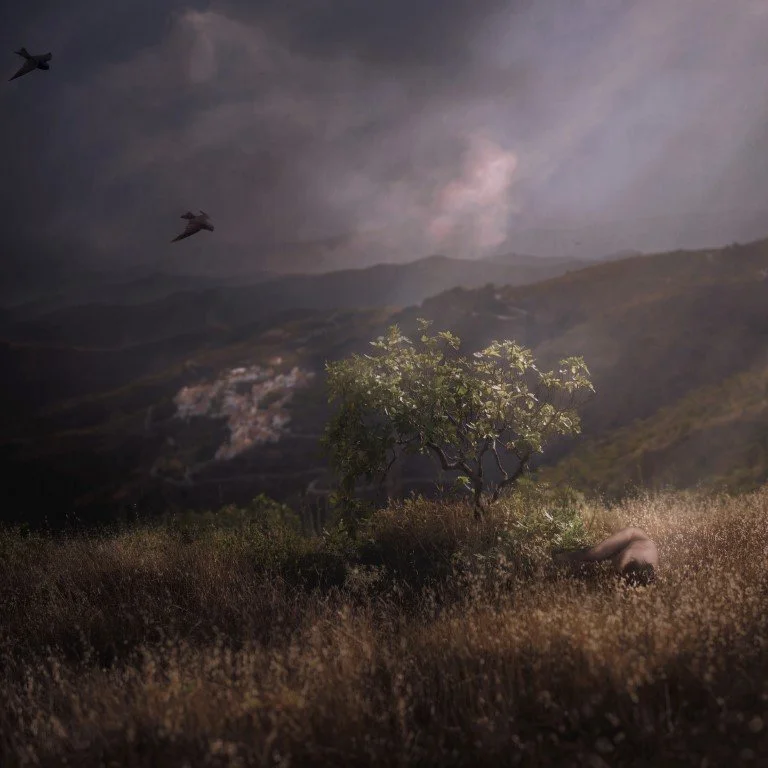
Through the work I created, I aimed to continue the artistic legacy of the Sephardim alongside that of the Alpujarra, most notably through poets Shmu’el HaNagid and Federico García Lorca. They also sought to tap into the heart of the region, inspired by literature, spirituality, and mythology. Although we are all artists that have created work in vastly different worlds—HaNagid in 11th century Al-Andalus, Lorca in 20th century Spain, and myself in the contemporary era—our work combined is woven into the creative fabric of the region. The soul of Andalusia lives in our work, unchanged across a millennium, as immovable as the mountains.
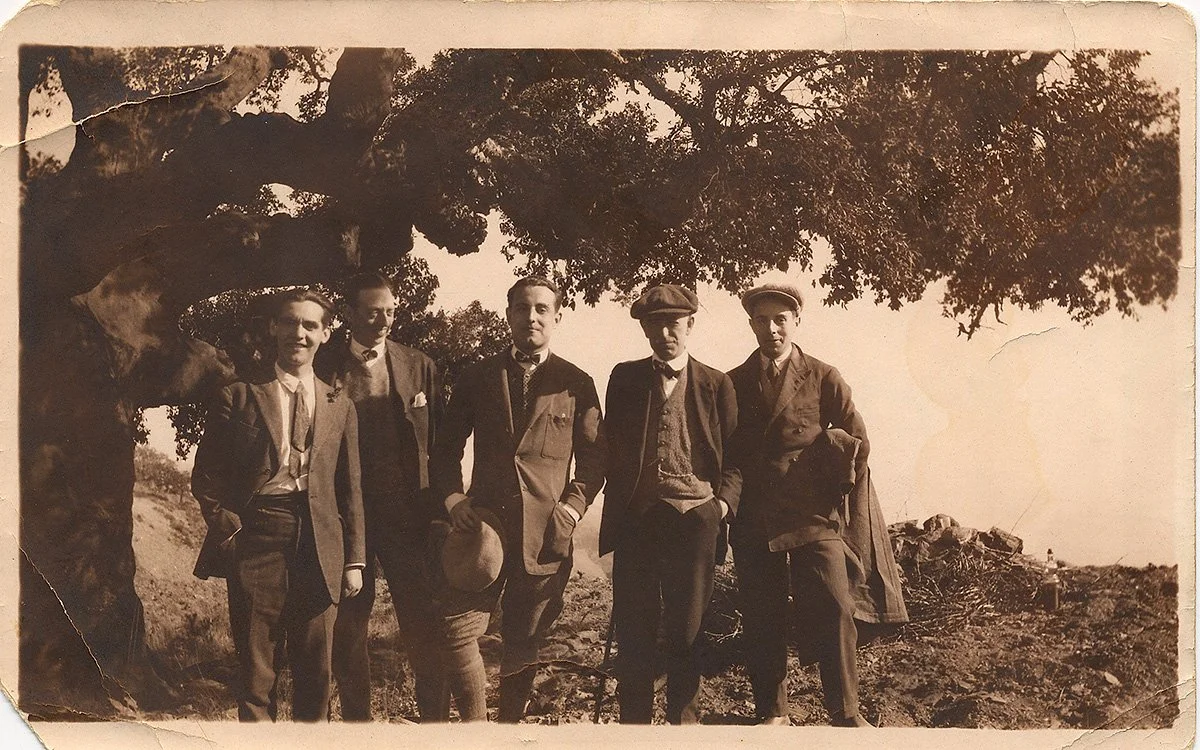
One of the highlights of my residency was the ability to reflect on the local artistic legacy. Exactly one hundred years ago, in 1926, Lorca and his artistic inner circle stood beneath a sprawling cork tree in Haza del Lino while researching what they believed to be the true sound of Spanish music and lyricism.
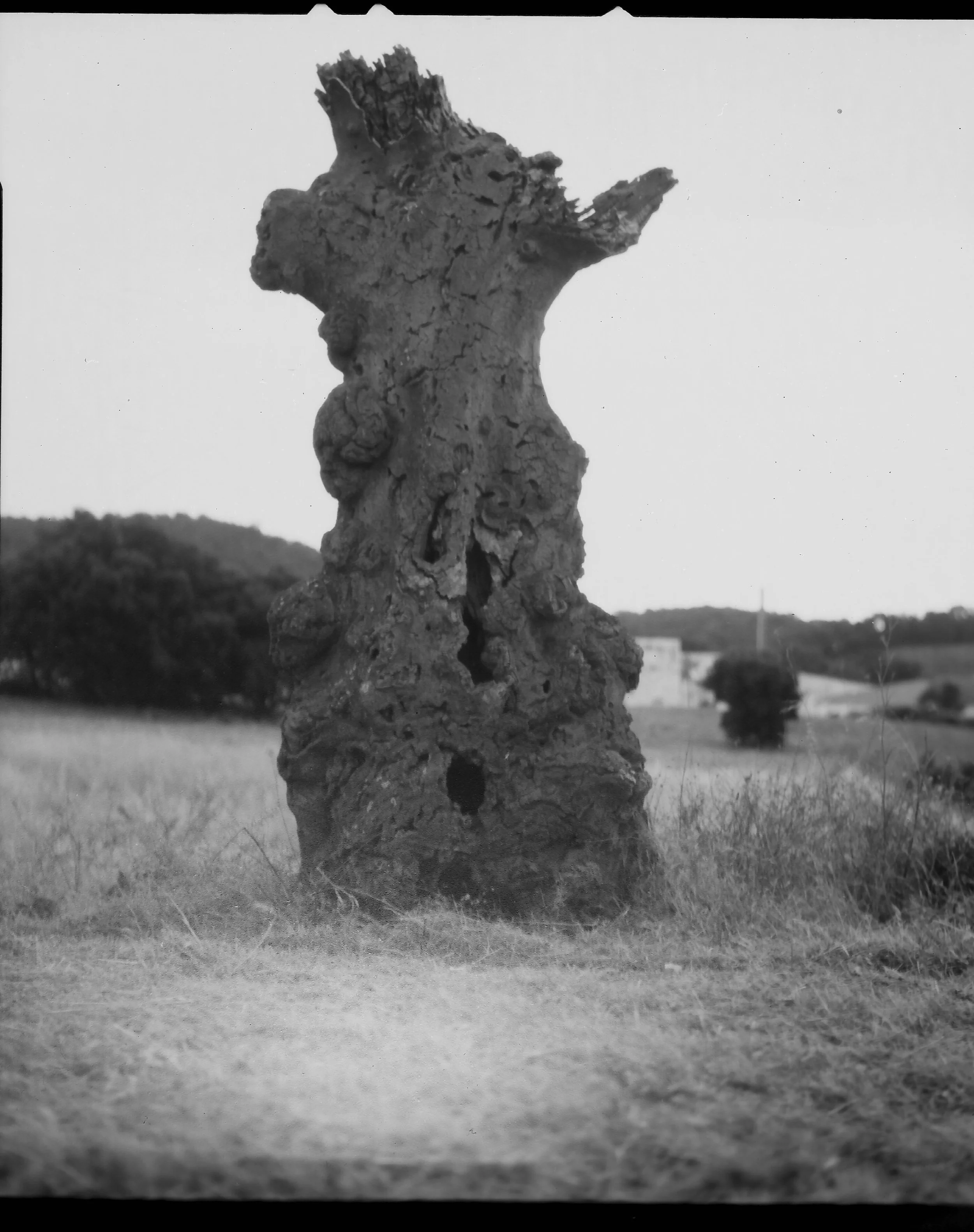
Although this historic site is now a shell of the tree it once was, it still stands; hollow, dark, and statuesque, the cork tree is a monument that carries on the region’s legacy with its roots firmly planted. Photographing this site was an honor and a privilege. By chance, the developed negative of the statuesque tree revealed a subtle glow of light right beneath the trunk—a moment that felt like a mystical presence passing the torch from one history to the next. That feeling is what artists across Andalusia have written, painted, composed, and sung about for centuries, and I am honored to contribute to that continuum.